
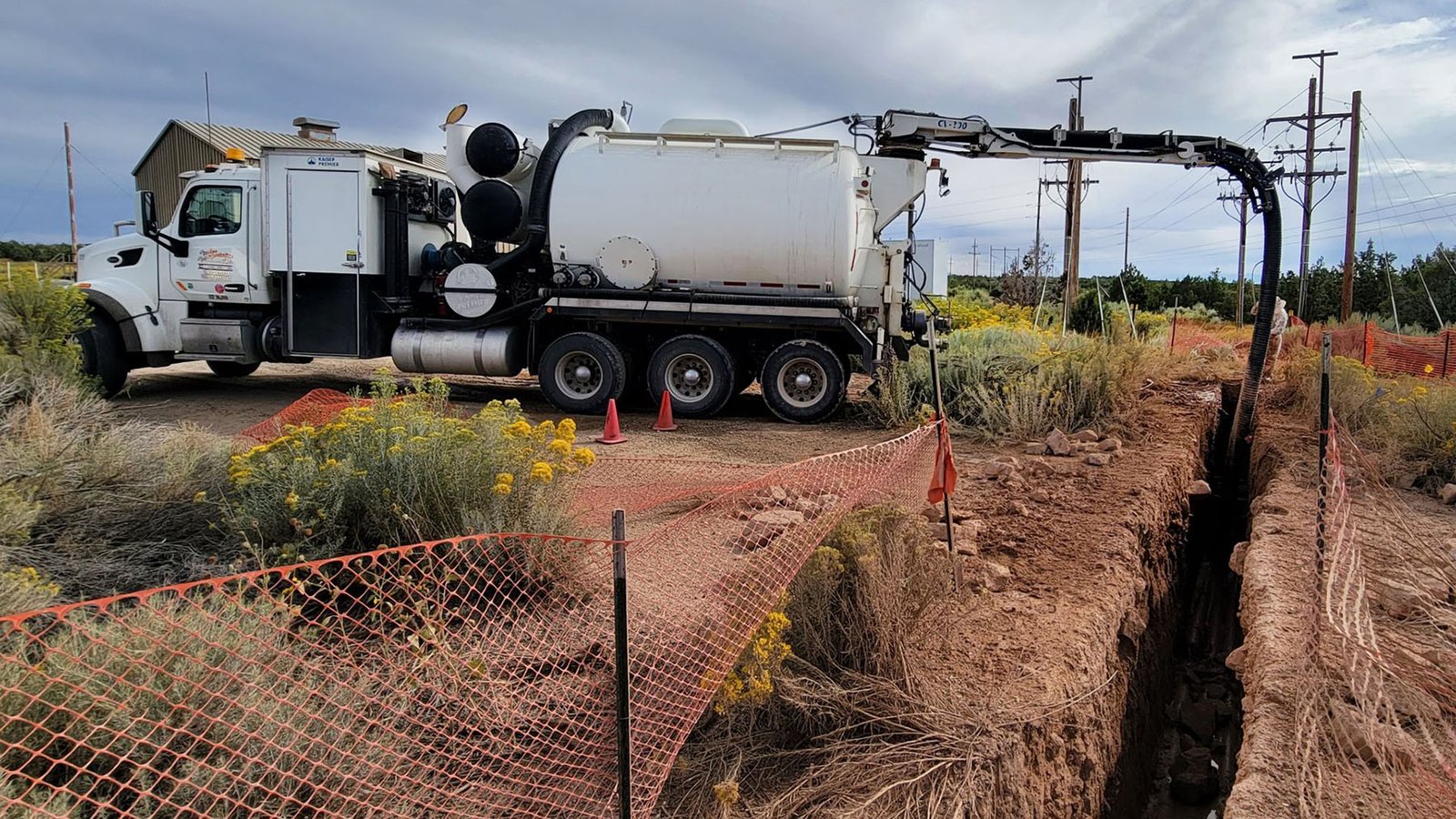
Hydro excavation pricing is rarely a simple price per hole or price per foot. A small utility potholing job with easy access can be very different from a deep excavation, a long trench, or a project that requires substantial vacuum recovery and disposal. The most useful way to understand hydro excavation cost is to look at the factors that determine how much truck time and material handling a job actually requires.
What affects hydro excavation cost?
Most hydrovac estimates start with the basic scope: what needs to be exposed, excavated, cleaned, or removed. From there, the crew has to account for access, material conditions, recovery volume, disposal, and how the work fits into the rest of the project.
Truck time and mobilization
Hydrovac equipment is specialized, so travel and setup matter. A group of nearby potholes may be completed efficiently in one mobilization, while a job with scattered work points can spend more time repositioning hoses, managing traffic, or moving between locations. Providing a site plan and a clear sequence of work points helps keep the scheduled time focused on productive excavation.
Depth, dimensions, and number of work points
A shallow utility verification hole is not the same scope as a deep excavation or a long narrow trench. The crew needs the approximate depth, desired dimensions, and number of locations. If you need multiple test holes, see our utility potholing service. For controlled trench sections, review utility trenching.
Soil and material conditions
Loose soil, compacted trench backfill, clay, cobble, rock, wet material, and construction debris do not excavate at the same rate. The harder the material is to break down and recover, the more time and water the work may require. Photos and recent site information are useful, but actual production can still change once the material is exposed.
Truck access and hose distance
The hydrovac truck needs a safe place to stage. Long hose runs, gates, overhead restrictions, steep grades, soft shoulders, active traffic, or finished surfaces can all affect setup. A smaller excavation can take more planning than a larger one if the truck has to remain far from the work point.
Vacuum recovery and disposal
Hydro excavation creates slurry that has to be recovered. The amount and type of material determine how quickly the debris tank fills and whether disposal trips are needed. Projects with substantial recovery may also use vacuum truck services as part of the scope.
Why two hydrovac jobs can have very different prices
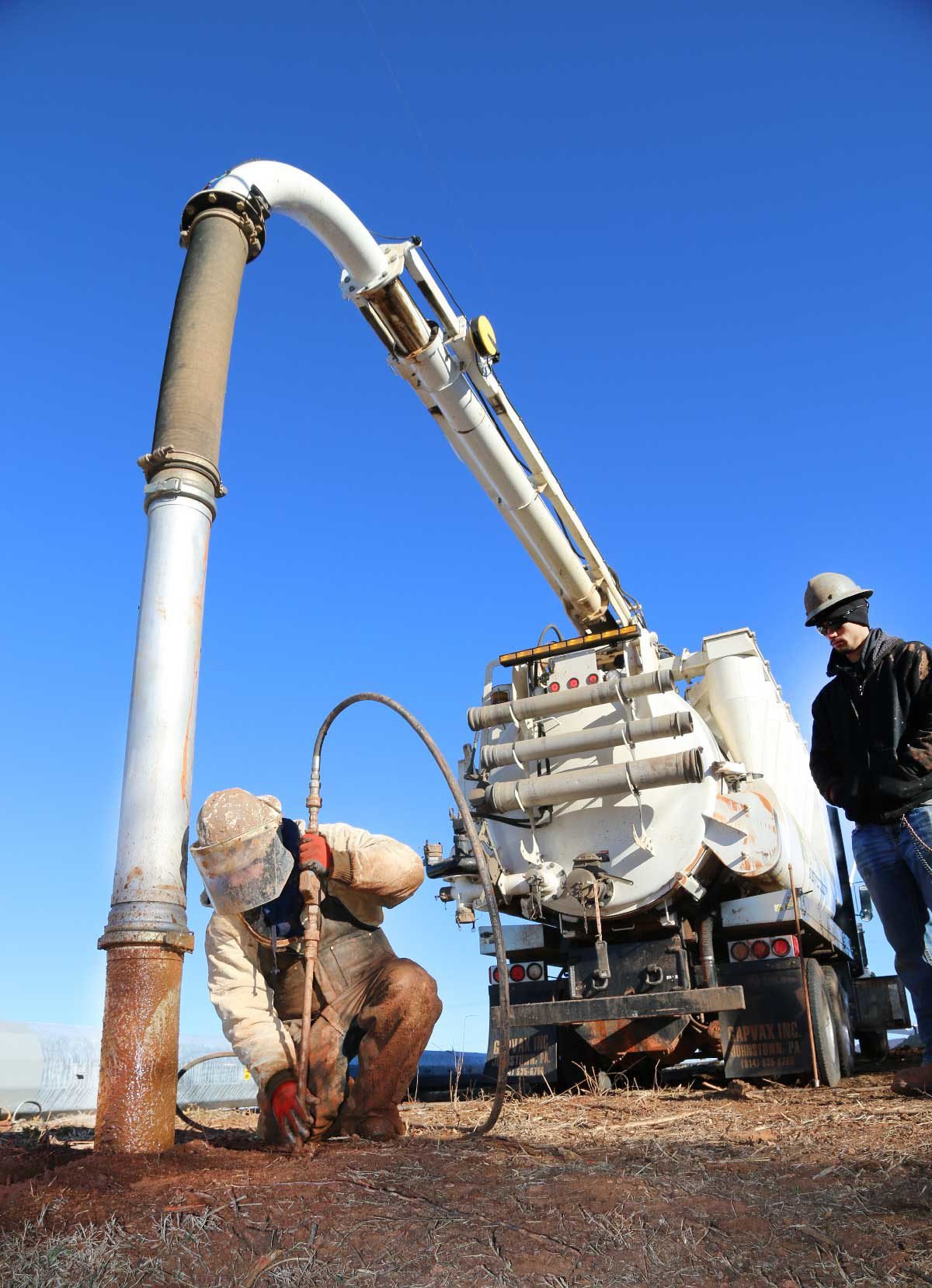
Consider two projects that both need six utility exposures. On the first site, the truck can stage beside the work, the targets are clearly marked, and the ground is relatively easy to excavate. On the second site, the work is behind a controlled gate with a long hose run, compacted material, active traffic, and limited space for recovered material. The hole count is identical, but the field time is not.
That is why a useful quote should be based on the real site conditions rather than a generic per-hole number. For a broader overview of controlled digging around utilities, see our hydro excavation service in Reno.
How to get a more accurate hydrovac estimate
Before requesting pricing, gather the project address, the number and type of work points, approximate depth or dimensions, utility-locate information, access photos, and any plan sheets that show the proposed work. Also note traffic-control requirements, restricted work hours, disposal requirements, and whether another contractor needs the excavation ready for survey, inspection, installation, or backfill immediately afterward.
Excavation planning also includes confirming underground installations before work begins. The U.S. Pipeline and Hazardous Materials Safety Administration continues to emphasize accurate locating and coordination as part of excavation damage prevention. See the PHMSA excavation damage prevention advisory for current federal guidance.
Common hydrovac scopes and what changes the estimate
Utility potholing: The main variables are usually the number of test holes, required depth, surface conditions, spacing between work points, and whether traffic control is needed. A well-marked row of nearby potholes is generally easier to plan than isolated locations spread across a large project.
Deep or enlarged excavation: Depth, excavation dimensions, soil conditions, water use, vacuum distance, and debris capacity become more important as the hole gets larger. The crew may also need to coordinate with shoring, inspection, survey, or installation work.
Utility trenching: Length alone does not determine production. Trench depth and width, existing utilities, pavement, backfill conditions, and how quickly the installation crew can follow all affect the sequence.
Drainage or material recovery: Cleaning and vacuum-removal projects are affected by the amount and type of material, access to structures, jetting requirements, recovery volume, and disposal. A mapped system with accessible structures is easier to estimate than an unknown line or buried access point.
Questions that help avoid change orders and delays
Before the truck arrives, confirm who is responsible for utility locating, traffic control, water access, disposal requirements, surface restoration, and any permits or site-specific safety procedures. Also identify who has authority to approve additional work if field conditions are different from the plans. Clear responsibility for those items reduces waiting and helps keep the hydrovac scope separate from excavation, repair, survey, or installation work performed by other contractors.
If the project is still in estimating, it is fine not to know every detail. Send the information you have and identify the unknowns. A useful hydrovac quote should make those assumptions visible rather than hiding them inside a single number.
Request a hydro excavation estimate in Reno
Reno Hydrovac serves contractors, utilities, commercial properties, and infrastructure projects throughout Reno and Northern Nevada. For a project-specific estimate, send the site details through our contact page or call (775) 414-4960.