HYDROVAC RENO, NV
Hydrovac & Hydro Excavation Services in Reno, NV · Licensed & Insured
Locally operated by A-1 Testing
Licensed and insured hydrovac excavation in Reno, NV for utility, construction, commercial, and infrastructure projects. Call today for a fast, free estimate.
- Licensed & Insured
- Locally Owned
- Serving Since 2016
Get Your Free Quote
By submitting this form, you agree to our Terms of Use including consent to receive calls regarding your free estimate.
Confidential · We respond within one business day
Our Hydrovac Services in Reno, NV
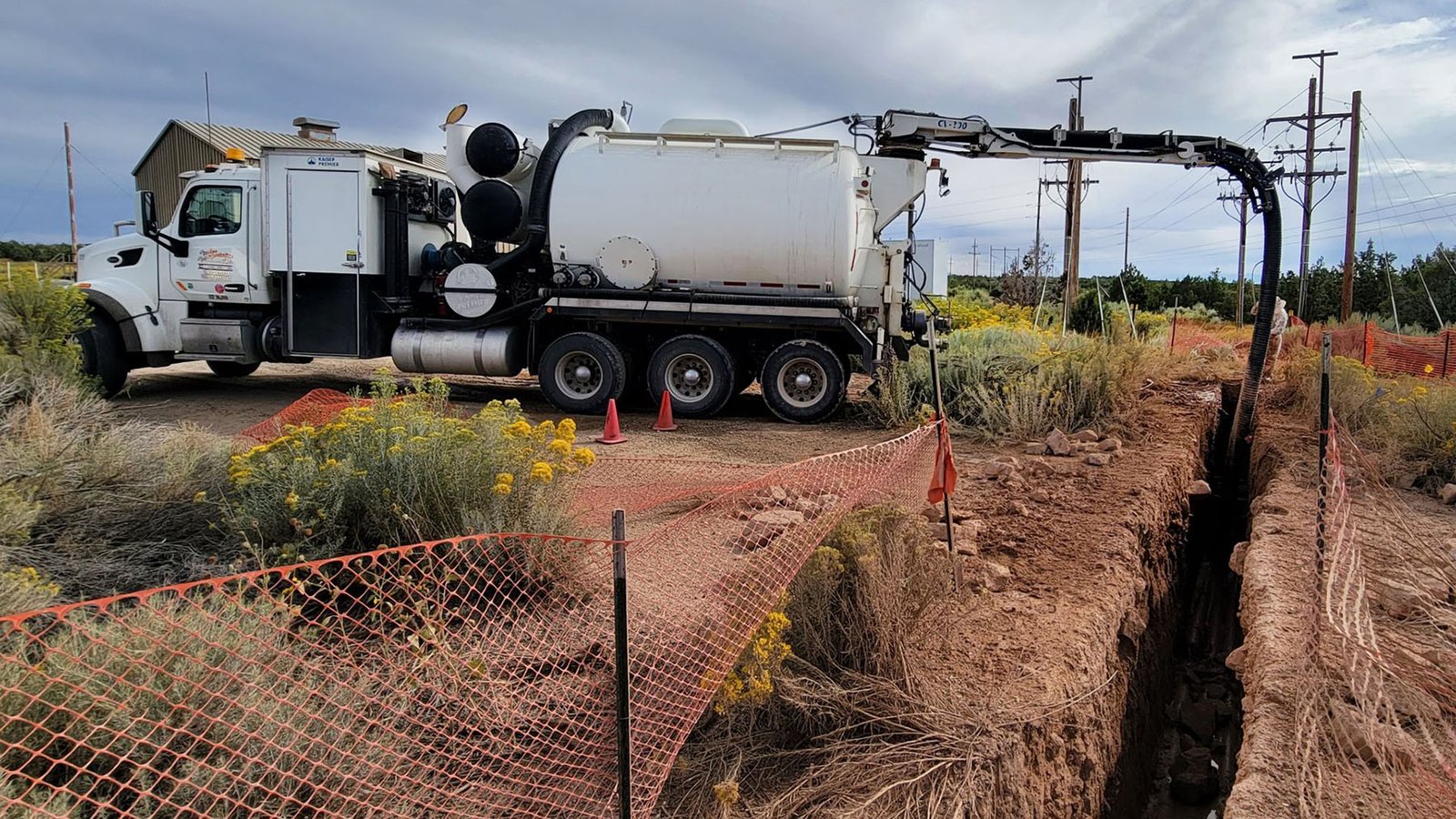
Hydro Excavation
Precision hydro excavation using pressurized water and high-capacity vacuum for utilities, access work, trenches, test holes, and controlled digging.
- Pressurized-water excavation for utilities, tie-ins, test holes, trenches, and other precise digging
- High-capacity vacuum recovery of loosened soil and slurry for cleaner, more controlled work areas
- Reduced reliance on mechanical digging when exposing known underground utilities and sensitive infrastructure
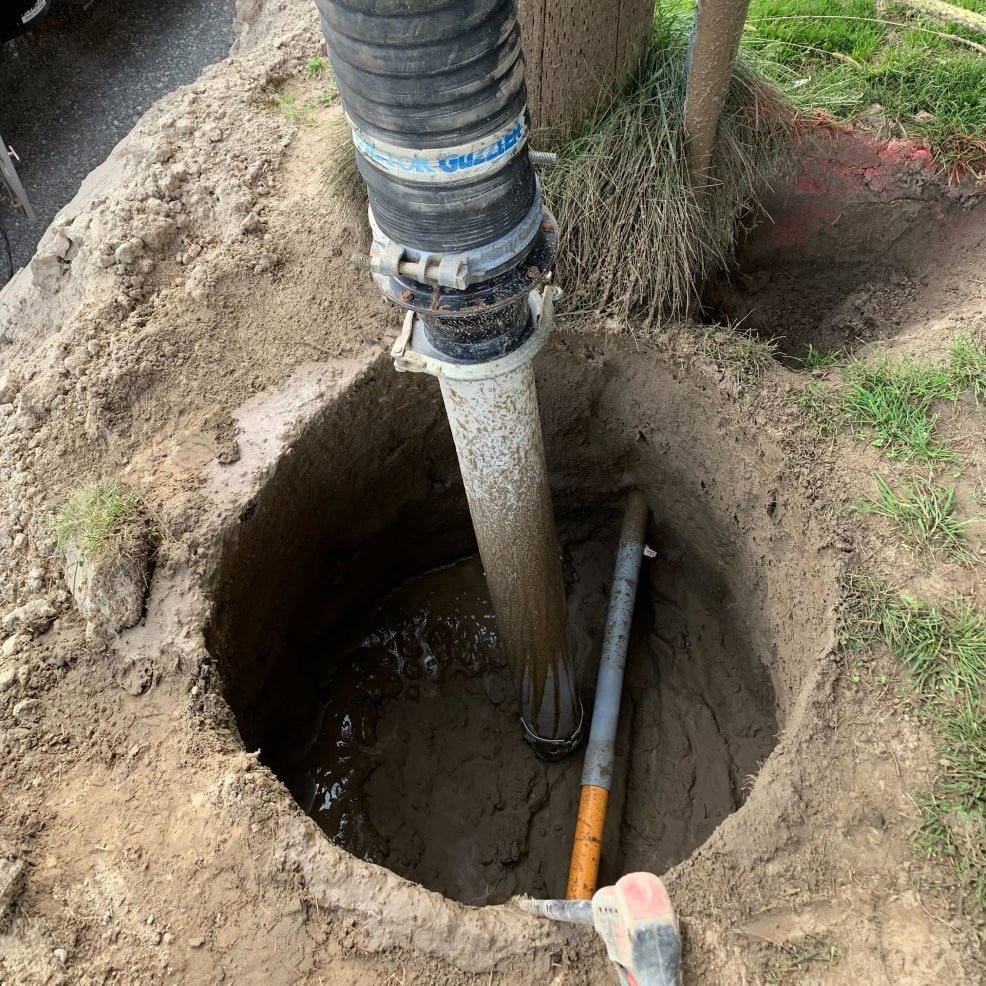
Potholing
Targeted utility potholing to positively expose marked underground facilities before drilling, trenching, grading, or mechanical excavation.
- Targeted test holes over marked utilities to verify horizontal location and actual depth before excavation
- Positive visual exposure for survey, boring, trenching, grading, and utility crossing planning
- Controlled daylighting that keeps openings limited to the size needed for verification and field measurements
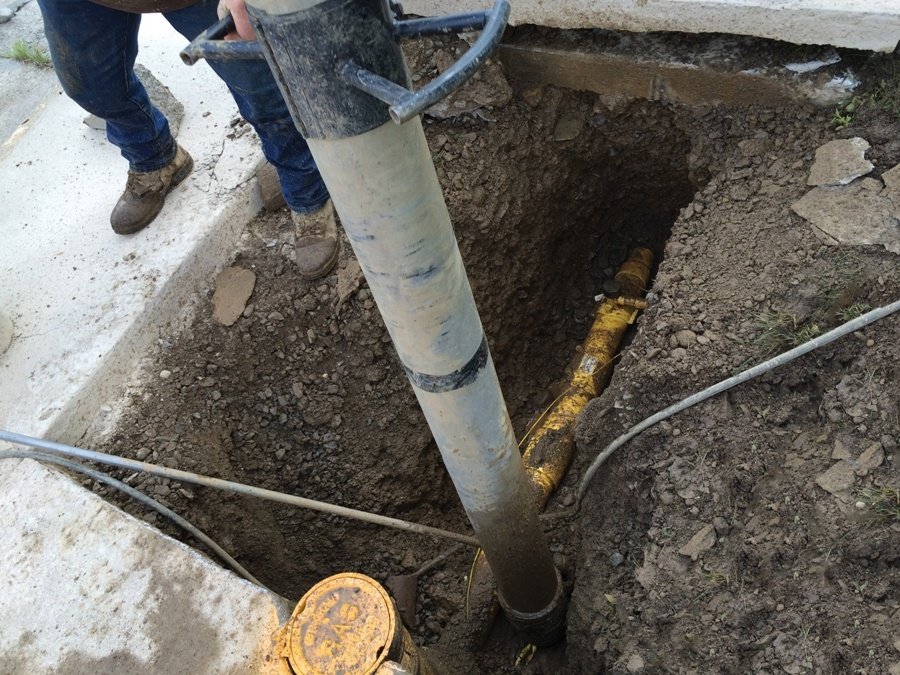
Vacuum Excavation
Vacuum excavation for soil, slurry, sediment, and loose material where controlled removal or limited access makes conventional equipment impractical.
- High-capacity vacuum removal of soil, slurry, sediment, standing material, and loose construction debris
- Long-hose access for pits, vaults, sumps, utility-dense areas, and locations where equipment access is limited
- Controlled material recovery that supports hydro excavation, drainage cleaning, and construction cleanup
Utility Trenching
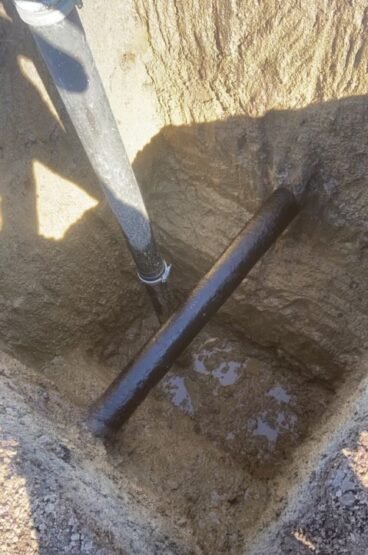
Precision utility trenching and slot trench excavation for installations, crossings, tie-ins, and work around existing underground facilities.
- Narrow hydro-excavated trenches for utility installation, conduit, crossings, tie-ins, and repair access
- Controlled excavation around existing buried utilities where broad mechanical digging creates unnecessary exposure
- Vacuum recovery of excavated material to keep trench lines, work areas, and access points cleaner
Sewer Line Cleaning
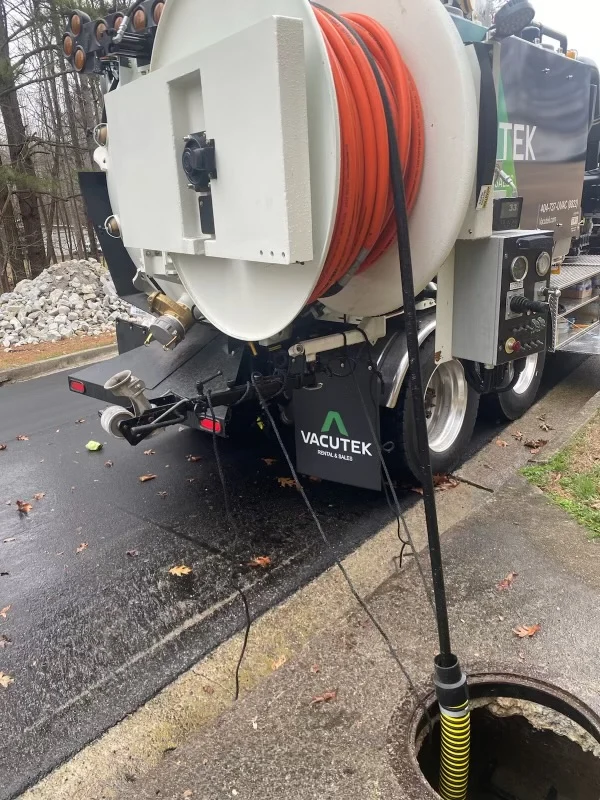
Commercial and infrastructure sewer line cleaning using high-pressure water and vacuum support for sediment, sludge, grease, and other buildup.
- High-pressure sewer line cleaning for commercial, construction, and infrastructure systems with accumulated buildup
- Jetting combined with vacuum recovery for sediment, grease, sludge, and loosened material at accessible structures
- Cleaning support before inspection, repair, turnover, or planned maintenance when line access allows
Storm Drain Cleaning
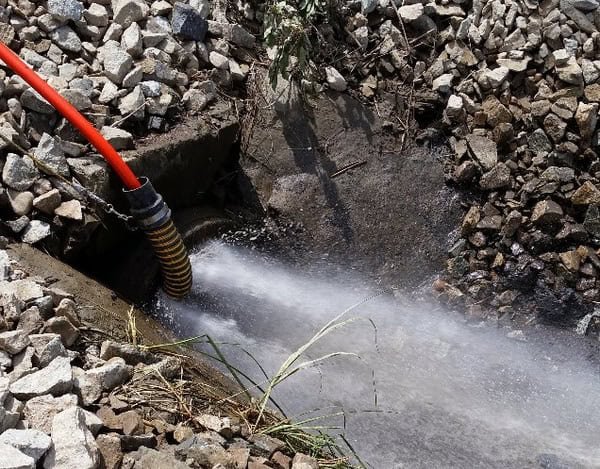
Storm drain cleaning for catch points, connecting lines, commercial sites, construction areas, and drainage systems that collect sediment and debris.
- Vacuum removal of sediment, trash, and debris from storm drains, inlets, catch basins, and accessible structures
- High-pressure cleaning for connecting drainage lines where buildup is restricting flow or reducing capacity
- Commercial, industrial, construction, and infrastructure maintenance with recovery and disposal planned around site conditions
See Precision Hydrovac Work in the Field
Hydrovac uses controlled water and vacuum to remove material precisely around utilities and active jobsites. Project conditions and excavation requirements vary.
Expose Utilities Precisely
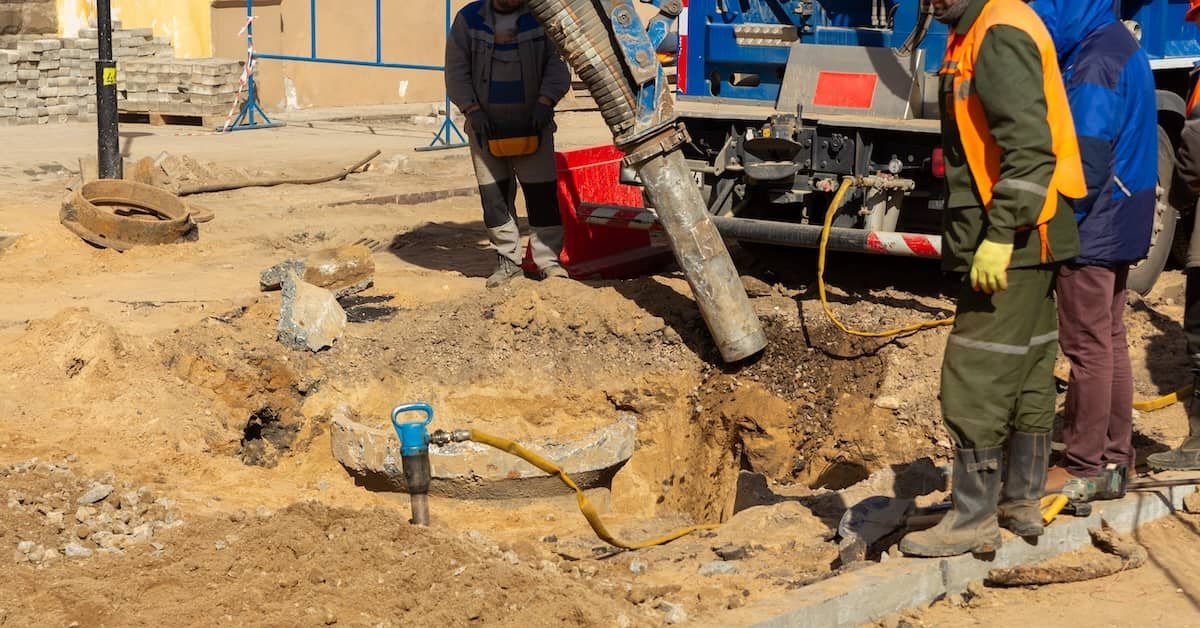
Controlled excavation makes it easier to visually expose marked underground infrastructure.
Remove Material Cleanly
Vacuum recovery contains loosened soil, slurry, sediment, and debris in the truck.
Reduce Unnecessary Disturbance
Targeted work can reduce the amount of surrounding surface that needs to be disturbed.
Hydrovac Work
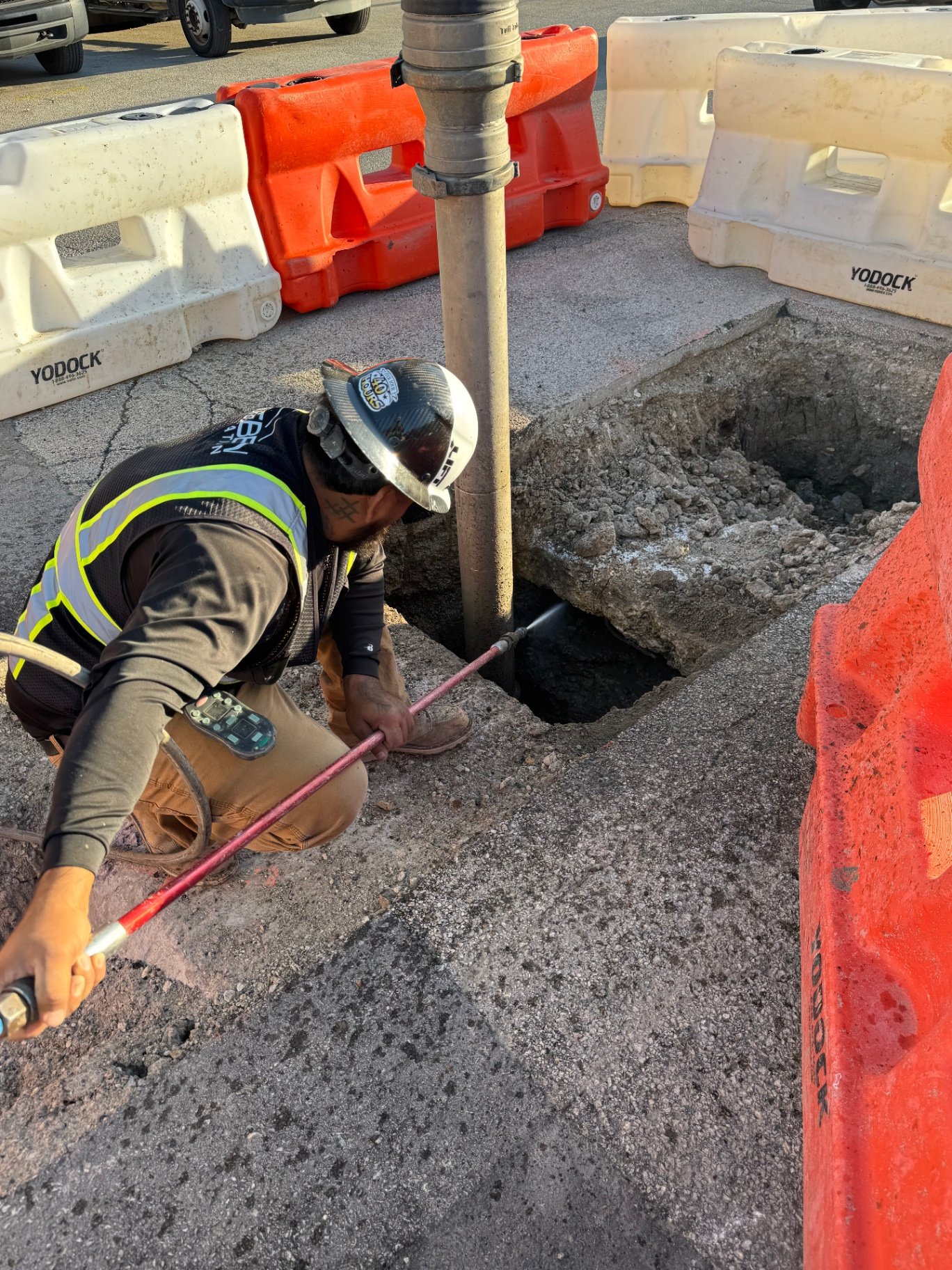
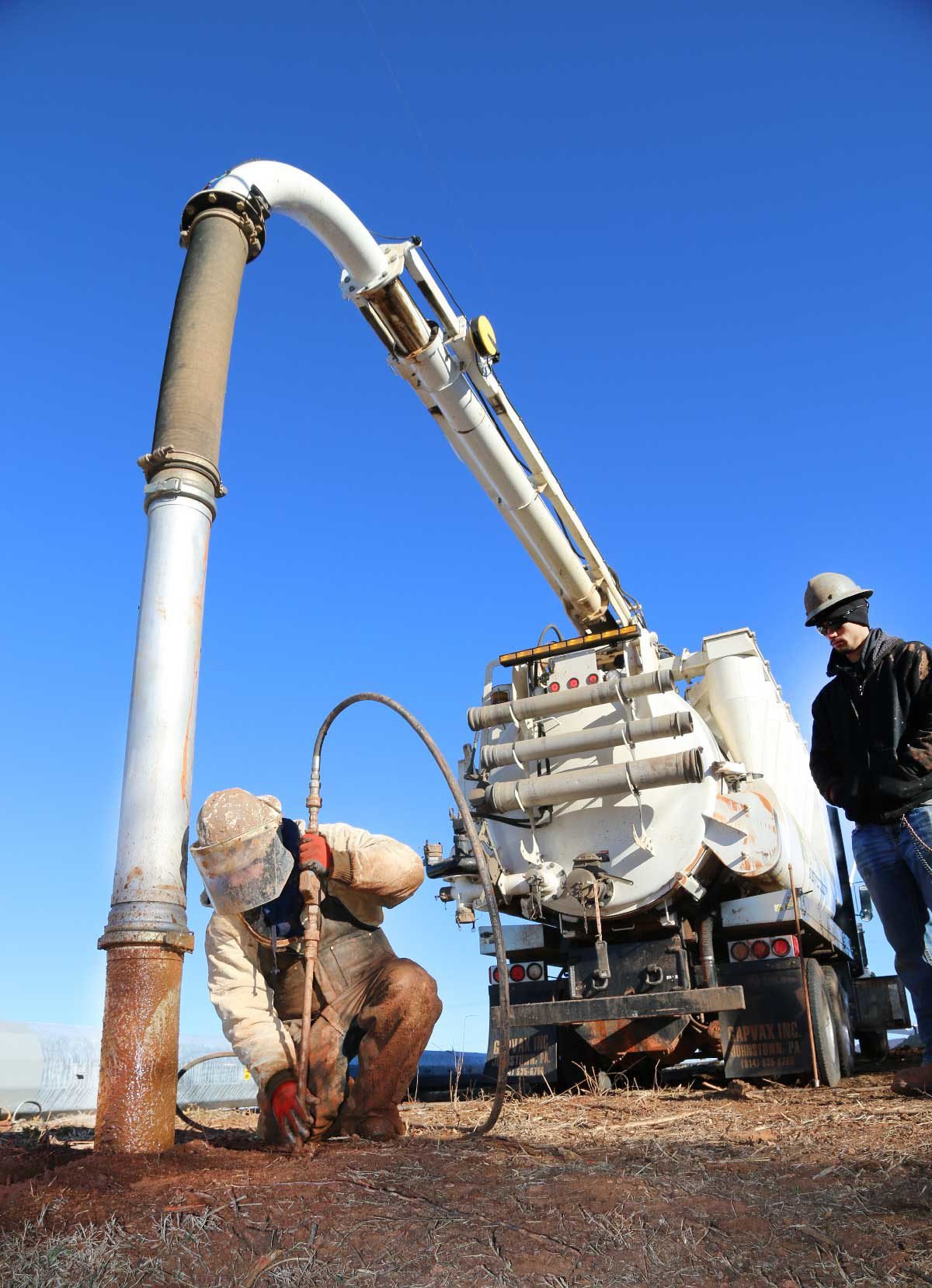
Hydrovac field work shown for illustration. Site conditions and project requirements vary.
How Hydrovac Service Works in Reno, NV
Request a Free Quote
Call (775) 414-4960 or fill out the form. Tell us the site, requested service, timing, and what needs to be exposed, excavated, cleaned, or removed.
We Review the Jobsite
We review access, utility information, dimensions, material conditions, truck positioning, and disposal requirements before the work begins.
We Complete the Work & Clean Up
Our crew completes the hydrovac work, contains removed material in the truck, and leaves the work area ready for the next phase.
When excavation or cleaning needs to happen around active utilities and infrastructure, the right hydrovac setup helps crews work with more precision and less unnecessary disturbance.
Trusted Hydrovac Service in Reno, NV
Experienced Hydrovac Crew
Professional hydrovac equipment and practical jobsite planning for utility, construction, commercial, and infrastructure work.
Licensed & Insured
Licensed and insured service with careful work around active sites and underground infrastructure.
Fast Availability
Prompt scheduling for potholing, excavation, cleaning, jetting, and vacuum-service projects throughout the Reno area.
100% Free Quote
Clear estimates with no commitment, available by phone or through the quote form.
Service Areas: Reno, NV and surrounding communities
Hydrovac Excavation Services in Reno, NV and Northern Nevada
Reno Hydrovac provides hydrovac excavation, potholing, vacuum excavation, jetting, and line-cleaning support for projects throughout Reno and Northern Nevada. Hydrovac combines pressurized water with a high-capacity vacuum so crews can remove soil, slurry, sediment, and debris in a controlled way. The method is especially valuable around underground utilities, active construction sites, commercial properties, and infrastructure where blind mechanical excavation would create unnecessary risk. Our combination truck can support both excavation and cleaning work. That gives contractors one resource for exposing utilities, digging targeted openings, vacuuming debris, jetting sewer or storm lines, cleaning catch basins, and handling sediment from drainage systems.
Hydrovac is not simply a substitute for every excavator. Its strongest advantage is precision. A mechanical bucket is efficient for open bulk excavation, while water and vacuum are often better for locating utilities, working through congested corridors, creating narrow access points, or removing material from areas a machine cannot safely reach. Before dispatch, we ask what the project is trying to accomplish. Utility type, excavation dimensions, number of work points, depth, soil conditions, hose distance, truck access, disposal, and traffic all influence the setup.
For underground utility work, hydrovac is commonly used for potholing and daylighting. Surface utility marks identify an approximate corridor, while positive exposure lets the project team see the actual facility. Contractors can measure depth, confirm alignment, identify crossings, and plan boring or trenching with better information. Hydrovac can then continue into narrow trenching or targeted excavation where the project requires it. This staged approach is useful when mechanical digging will take over after the critical utility conflicts are exposed.
Vacuum capability also makes the truck useful beyond excavation. Wet slurry, sediment, loose debris, catch-basin material, and accumulated material in accessible drainage structures can be removed directly into the debris tank. For lines and culverts, high-pressure water can help mobilize buildup so it can be recovered rather than pushed farther downstream. That flexibility is particularly useful for commercial, industrial, municipal, and construction projects where several related tasks need to be completed during the same mobilization.
Every project starts with clear communication about the requested result. You do not need to know whether the correct term is hydro excavation, vacuum excavation, potholing, daylighting, or high-pressure line cleaning before you call. Explain what needs to happen and what is known about the site, and we can help identify the right service. Send plans, photos, utility marks, approximate dimensions, line sizes, structure counts, or other project information whenever available. Better information before dispatch generally means a more accurate estimate and a smoother jobsite setup.
Hydrovac for Utility, Construction, and Industrial Projects
Hydrovac excavation is widely used when underground infrastructure needs to be exposed without relying entirely on mechanical digging. Pressurized water breaks up soil in a controlled area while the vacuum transfers the loosened material into the truck. The operator can progress gradually and visually as utilities become exposed. This is especially useful around gas, electrical, water, sewer, fiber, communications, and other buried facilities. It is also useful for smaller excavations where bringing in larger equipment would disturb more of the site than necessary.
Potholing creates individual test holes over marked utilities. A series of potholes can establish utility depth and location along a bore path, trench, or planned construction alignment. Utility daylighting describes the same basic goal of physically exposing the facility so the project team can verify it. Utility locating should be completed before hydrovac work begins. Marked work points, plans, and coordination with the next trade help us sequence the holes efficiently.
Vacuum excavation and debris removal are useful when material needs to be removed from a precise location or transferred directly into a contained tank. Depending on the job, the material may be native soil loosened with water, wet slurry, sediment, or loose debris. Hose reach can provide access where the truck cannot sit immediately next to the excavation, although longer hose runs and elevation changes can affect production.
High-pressure line cleaning uses high-pressure water to clean sewer, storm, drainage, and other lines. Nozzle selection and water flow help break apart and move grease, sediment, sludge, construction material, and other buildup. On combination-truck work, vacuum recovery can remove material at a manhole, catch basin, or accessible structure. Cleaning is maintenance, not a repair for collapsed or structurally failed pipe. When conditions suggest the problem is more than buildup, the next step may involve inspection or repair by the appropriate contractor.
Storm drains, catch basins, and culverts collect sediment and debris by design. As material accumulates, the system has less usable capacity. Vacuum and jetting work can remove material from accessible structures and connecting lines without simply flushing everything farther downstream. Construction sites and industrial properties can be particularly demanding because soil, aggregate, landscape debris, and process material may enter drainage systems more quickly than on ordinary sites.
Reno jobsites can range from urban streets and commercial parking lots along South Virginia Street and McCarran Boulevard to construction and industrial sites around South Meadows, Reno-Tahoe International Airport, Stead, and the I-80/I-580 corridors. Access, slopes, traffic, gates, overhead clearance, native ground, compacted fill, and long hose distances can all affect hydrovac production. Our goal is to plan around those conditions before the truck arrives. When possible, provide photos of the staging area and work points, especially if access is tight or the truck will need to remain a significant distance from the excavation.
How Much Do Hydrovac Services Cost in Reno, NV?
Hydrovac service pricing depends on the actual work rather than a single flat number. Truck time is a major factor, but excavation depth, number of holes, material conditions, water use, vacuum distance, disposal, travel, traffic control, and site setup also influence the total. A short series of potholes with easy access may be completed efficiently, while a deep excavation in rocky ground or a cleaning project with heavy sediment can require substantially more time and debris capacity.
Access is one of the easiest variables to overlook. The truck needs a safe place to stage, and the hose route needs to reach the work without creating unnecessary hazards for vehicles, pedestrians, or other trades. Soft ground, steep grades, overhead utilities, narrow gates, and active traffic may limit where the truck can sit. If the site has restrictions, tell us before scheduling so the quote reflects the real setup rather than an idealized one.
Material type affects production. Loose soil, compacted clay, cobble, rock, thick sediment, grease, sludge, and construction debris behave differently under water and vacuum. The debris tank also has a finite capacity, so large-volume jobs may require disposal trips or planned material handling. Knowing what the material is and how much is expected helps us plan the job more accurately.
Line-cleaning projects have their own variables, including pipe diameter, length, access points, severity of buildup, water requirements, and whether vacuum recovery is needed. A mapped system with accessible manholes or structures is easier to estimate than an unknown line with an uncertain blockage. For larger sites, send a plan showing the structures and line segments you want serviced.
Travel and disposal can also matter on regional Northern Nevada work. Hydrovac trucks are specialized heavy equipment, so mobilization and legal disposal of recovered material need to be considered in the scope. We provide a clear estimate based on the information available and explain the conditions that could materially change the amount of truck time required.
A useful quote should define the expected work, not just give an hourly rate without context. We ask for the site address, requested service, work-point count or dimensions, access information, known utility conditions, and timing so the estimate can reflect the actual job. If the field conditions differ substantially from what was described, we communicate the change rather than letting the scope expand without explanation.
Hydrovac, Vacuum Excavation, and High-Pressure Jetting
Hydrovac supports several kinds of excavation and cleaning work because the truck combines water and vacuum. The water side can loosen soil or mobilize buildup. The vacuum side removes that material from the work area and contains it in the debris tank. How those systems are used depends on the job. For excavation, the emphasis is controlled soil removal. For utility potholing and daylighting, the goal is positive exposure. For drainage and line cleaning, the goal is removing accumulated material and restoring usable flow.
Hydro excavation and vacuum excavation overlap, but the terms are not identical. Hydro excavation specifically uses water to break up soil. Vacuum excavation is the broader material-removal process and may involve material that is already loose or wet. On most hydrovac excavation projects, both processes happen together. The terminology matters less than describing the project accurately when you request service.
High-pressure line cleaning is different again. Instead of creating an excavation, high-pressure water is directed through a pipe or drainage line to break apart and move buildup. Jetting may be paired with vacuum recovery at a manhole, catch basin, or structure. A combination truck can therefore move between excavation and cleaning tasks depending on the project.
Potholing and daylighting should be planned around completed utility locates. Hydrovac improves control, but it does not replace the locating process or project-specific safety procedures. The work area should be marked clearly and accessible when the truck arrives. Contractors should also identify which utilities require positive exposure and what information the next phase needs from each hole.
For storm-drain, catch-basin, and culvert work, the project team should identify structures, access points, approximate dimensions, and known problem areas. Photos showing sediment depth or blockage conditions are helpful. Cleaning scope should also account for where recovered material will be legally handled or disposed of.
For sewer and line cleaning, explain whether the work is preventive maintenance, post-construction cleaning, reduced flow, or an active blockage. Provide line size and access-point information when known. If a structural pipe failure is suspected, cleaning may be only one part of the diagnostic or repair process.
The best hydrovac plan comes from matching the truck to the actual job. Some projects need a few precise potholes. Others need repeated daylighting, narrow trenching, drainage cleaning, or vacuum removal over several hours. Reno Hydrovac can review the scope and help determine how to sequence the work efficiently.
What Reno Contractors Should Know Before Scheduling a Hydrovac Truck
Before hiring a hydrovac contractor, confirm that the company is properly licensed and insured for the work and that it regularly operates the equipment required for the scope. Ask whether the estimate accounts for travel, truck time, disposal, water, access, and the expected amount of excavation or cleaning. For utility work, make sure the required locate process is complete before excavation and that the requested exposure points are clearly marked.
Ask what information the crew needs before dispatch. A good hydrovac provider should want to know the site address, utility type, desired dimensions, depth, number of locations, traffic conditions, access restrictions, and whether plans or photos are available. Those questions are not unnecessary paperwork. They are what allow specialized equipment to be scheduled and used efficiently.
Avoid comparing estimates only by the advertised hourly rate. Mobilization, minimum charges, dump or disposal fees, water, travel, and what counts as billable truck time can change the final amount. A cheaper hourly number does not automatically mean a lower completed-job cost. Compare the full scope and the assumptions behind the estimate.
Communication is especially important on active construction sites. Tell the crew who the site contact is, where the truck should enter, where it can stage, what other trades are working nearby, and whether traffic control or escorts are required. If the excavation points move or the schedule changes, update the hydrovac provider before dispatch whenever possible.
Hydrovac should be selected because it fits the risk and access profile of the job, not because every excavation needs water and vacuum. Large open bulk excavation can often be completed faster with conventional equipment. Hydrovac earns its place around utilities, constrained access, targeted holes, precise trenches, and material-removal tasks where control matters. A contractor willing to tell you when hydrovac is not the efficient choice is more useful than one trying to force every scope onto the truck.
For recurring maintenance, document what was cleaned, how much material was encountered, and which structures or lines showed the greatest buildup. That history makes it easier to prioritize future storm, sewer, catch-basin, or culvert cleaning instead of treating every structure the same. For utility exposure, keep pothole or daylighting information with the project records so the verified depths and locations are available to the next phase.
Reno Hydrovac serves Reno, Sparks, Spanish Springs, Sun Valley, Lemmon Valley, Cold Springs, Verdi, Carson City, Gardnerville, Minden, Fernley, Lovelock, Fallon, and surrounding project areas when scheduling allows.
Ready to discuss a project? Request a free estimate or call (775) 414-4960 with the site details.
Complete Hydrovac Services in Reno, NV
From hydro excavation and utility potholing to high-pressure line cleaning, sewer line cleaning, storm drain cleaning, catch basins, culverts, and vacuum material removal, Reno Hydrovac provides specialized truck services for construction, commercial, industrial, and infrastructure projects throughout Northern Nevada.
Your questions about hydrovac service in Reno, NV
What is hydrovac excavation?
Hydrovac excavation uses pressurized water to loosen soil while a powerful vacuum removes the material into a debris tank. It allows operators to excavate targeted areas with more control than conventional mechanical digging, especially around buried utilities or confined work areas.
Is hydrovac safer around underground utilities?
Hydrovac is commonly chosen around underground utilities because material can be removed gradually and visually rather than with large blind bucket movements. The required utility locating process still needs to be completed, and project-specific safety procedures remain essential.
What is potholing or utility daylighting?
Potholing and daylighting create small excavations that physically expose a marked utility so contractors can confirm its actual depth and horizontal position. The terms are often used for closely related utility-verification work before drilling, trenching, or excavation.
Can hydrovac remove slurry, sediment, and debris?
Yes. The vacuum system can remove loosened soil, wet slurry, sediment, standing material, and many types of loose debris. The material type, density, volume, access, and legal disposal requirements determine the best setup.
How much do hydrovac services cost in Reno, NV?
Pricing depends on truck time, travel, depth or line length, number of work points, material conditions, water use, vacuum distance, disposal, access, and the specific service. We provide a project-based estimate using the information available before scheduling.
Do you offer free estimates?
Yes. Reno Hydrovac provides free, no-obligation estimates. Call (775) 414-4960 or submit the quote form with the site address, requested work, photos, plans, and timing when available.
What areas do you serve?
We serve Reno, Sparks, Spanish Springs, Sun Valley, Lemmon Valley, Cold Springs, Verdi, Carson City, Gardnerville, Minden, Fernley, Lovelock, Fallon, and surrounding Northern Nevada project areas when scheduling allows.
Are you licensed and insured?
Yes. Reno Hydrovac is licensed and insured. The site also reflects a locally owned operation serving the region since 2016.
How fast can you respond?
We aim to respond to quote requests within one business day. Actual field scheduling depends on truck availability, travel, project duration, weather, safe access, and the urgency of the requested work.
Get Your Free Quote
Hydrovac Service in Reno, NV · Response within 24 hours · Call for immediate service · (775) 414-4960
Your Free Quote Request
By submitting this form, you agree to our Terms of Use including consent to receive calls regarding your free estimate.
- Confidential · We respond within one business day