STORM DRAIN CLEANING RENO, NV
Storm Drain Cleaning in Reno, NV
Storm drain cleaning for inlets, manholes, pipes, and connected drainage structures where sediment, trash, leaves, and construction debris can restrict flow.
- Licensed & Insured
- Locally Owned
- Serving Since 2016
Get Your Free Quote
By submitting this form, you agree to our Terms of Use including consent to receive calls regarding your free estimate.
Confidential · We respond within one business day
Home › Storm Drain Cleaning
Reno Hydrovac handles storm drain cleaning as a construction and infrastructure service, not as a generic one-line item. The method removes material that reduces the capacity of drainage structures and piping, while is especially important where soil, sand, gravel, leaves, trash, or construction sediment collects at low points. Just as important, it uses vacuum recovery at structures and high-pressure line cleaning in lines when buildup extends beyond the inlet. That combination makes the service useful when the project has a specific target, limited access, or a need to keep material contained.
Requests range from street and parking lot inlets, private storm drain networks, commercial and industrial drainage to construction sediment cleanup, storm manholes and junction structures, drainage systems with repeated ponding or visible sediment. Depending on the scope, the same mobilization may also include catch basin cleaning, culvert cleaning, or commercial drain cleaning. We separate those tasks in the estimate so the customer understands what is actually being performed.
Storm Drain Cleaning for Reno Drainage Systems
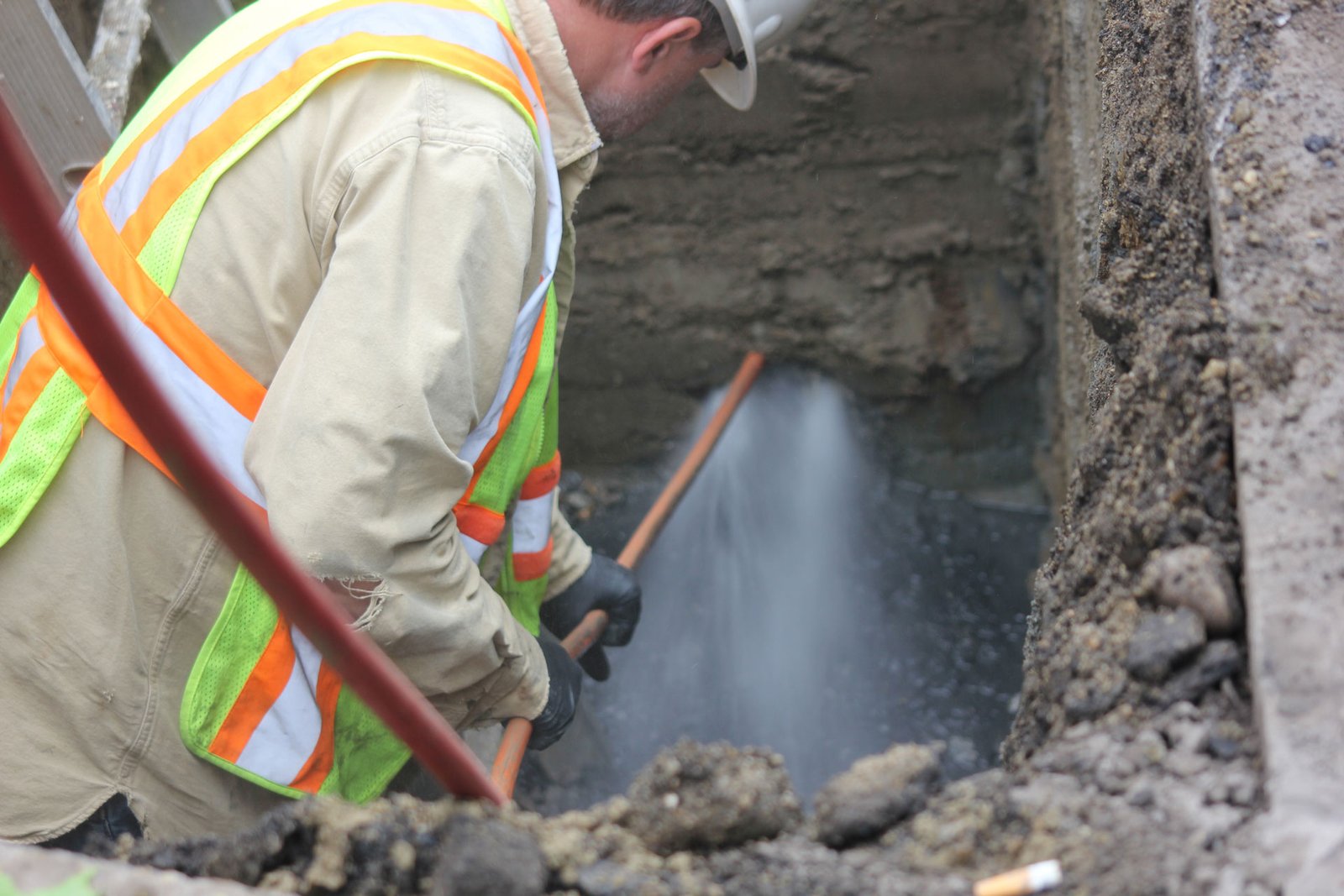
Storm drain cleaning is useful when sediment, leaves, trash, and other debris are reducing the usable capacity of drainage structures or connecting piping. The goal is controlled removal so the crew can see what is being recovered and avoid simply pushing accumulated material farther downstream. This approach can support routine maintenance as well as construction, paving, drainage, and infrastructure work.
Common Reno requests include street and parking lot inlets, private storm drain networks, commercial and industrial drainage, construction sediment cleanup, storm manholes and junction structures, and systems with repeated ponding or visible sediment. Some are stand-alone maintenance calls, while others are one step in a larger project, so understanding what happens before and after the cleaning helps determine the right scope.
Storm system cleaning should be scoped by structure and line segment rather than treated as one generic drain call. A single sediment-filled inlet, a run of connected basins, and a long pipe segment can require very different amounts of jetting, vacuum capacity, traffic control, and disposal.
Removing Sediment Before It Moves Downstream
Field work generally follows a deliberate sequence. First we inspect accessible inlets and downstream structures. The truck is then set up so we can vacuum sediment and debris from the structure first. The operator jet the connecting line when material has migrated into the pipe, followed by recover displaced solids instead of pushing them unnecessarily through the system. Once the target condition is reached, we confirm that outlets and downstream structures are not being overloaded by the cleaning process.
The process may sound straightforward, but efficiency depends on details such as hose routing, water supply, line access, material consistency, safe staging, and communication with the other crews. Those are the details we try to resolve before the truck is committed.
Quality control during the work is mostly about staying aligned with the target. The operator should be able to pause after jet the connecting line when material has migrated into the pipe and confirm whether the excavation or cleaning is progressing as expected before continuing to recover displaced solids instead of pushing them unnecessarily through the system. If conditions reveal an unknown utility, structural defect, unsuitable material, or a different problem than the one described, the sensible next step is to stop and discuss it rather than turn a defined scope into uncontrolled extra work.
Cleaning Inlets, Pipes, and Connected Structures
Reno drainage work can be influenced by windblown sediment, winter sanding material, construction activity, and sudden runoff from high-desert storms. Cleaning may require lane or parking control when structures sit in traveled areas. Private drainage owners are responsible for understanding where their system discharges and how removed material must be handled. These Reno-area conditions can affect production even when the actual excavation or cleaning target is small.
We also plan around the applicable safety and maintenance requirements. EPA stormwater maintenance guidance is a useful official reference for this type of work. It should be read together with the project plans, local permit conditions, utility requirements, and the controlling contractor’s safety program.
Reno-area conditions can also change during the day. Reno drainage work can be influenced by windblown sediment, winter sanding material, construction activity, and sudden runoff from high-desert storms. A site that is dry and open during estimating may have parked equipment, deliveries, snow, standing water, or active traffic when the truck arrives. The site contact should keep the planned staging area available and let us know about changes that affect safe access. That small amount of coordination can save substantial setup time.
Preparing Drainage Systems for Storms and Construction Turnover
A quote for storm drain cleaning considers number of inlets and manholes, sediment volume, line diameter and length, jetting requirements, traffic control, truck setup, and material handling and disposal. The service is therefore difficult to price accurately from a single photo or a line like ‘one hole’ or ‘one drain’ without dimensions and access information.
We can usually narrow the estimate quickly when the caller has measurements, site photos, utility marks, line maps, or a plan sheet. If the scope is uncertain because the problem is underground, we can define an initial task and explain what conditions would justify additional work.
When comparing estimates, look at what is included. Number of inlets and manholes, sediment volume, and material handling and disposal may be handled differently from one project to another. An estimate that includes vacuum recovery and disposal is not directly comparable to one that assumes the customer will handle material after it is loosened. We try to state those assumptions so the project team can budget the whole task rather than only the truck at the curb.
Storm Drain Cleaning Cost and Maintenance Scheduling
Preparation is simple but important: identify known ponding locations; provide drainage plans when available; clear access to grates and manholes; coordinate work before paving or final construction turnover; and schedule periodic inspection so cleaning is based on actual sediment accumulation. The more of that information is resolved before mobilization, the easier it is to keep the hydrovac work aligned with the larger schedule.
Call (775) 414-4960 to discuss storm drain cleaning in Reno, Sparks, Carson City, Fernley, and surrounding service areas. We provide free estimates and can coordinate with contractors, utilities, facility teams, and property managers.
For multi-structure storm systems, number the inlets, manholes, basins, or pipe segments to be cleaned. That keeps the work sequence clear and helps distinguish completed structures from areas that may need inspection or repair.
Related Storm Drain Cleaning Services and Next Steps
Storm Drain Cleaning is often one part of a larger project. Depending on what is uncovered or cleaned, the next step may involve catch basin cleaning, culvert cleaning, or commercial drain cleaning. We can coordinate the hydrovac portion with the contractor or facility team so each service has a clear purpose instead of duplicating work.
If you are not sure which service name fits the problem, describe the site and desired outcome rather than guessing. Call (775) 414-4960 or request a free estimate. We can determine whether the work is primarily excavation, utility verification, vacuum removal, jetting, or infrastructure cleaning and scope it accordingly.
Frequently Asked Questions About Storm Drain Cleaning
What causes storm drains to need cleaning?
Storm systems commonly collect sediment, leaves, trash, landscaping material, construction debris, and other solids carried by runoff. Over time, that material can reduce storage capacity in structures or restrict flow through connected pipe. Cleaning removes movable material so the system can be evaluated and maintained more effectively.
Is storm drain cleaning the same as catch basin cleaning?
Catch basin cleaning focuses on removing accumulated material from individual structures. Storm drain cleaning can include those structures plus connected lines, inlets, manholes, and other drainage components. Many projects use both services together depending on where the buildup is located.
Can high-pressure water clear a completely blocked storm line?
It depends on the cause of the blockage and whether suitable access is available. Jetting can move many sediment and debris restrictions, but it cannot correct a collapsed pipe, severe deformation, or another structural failure. Cleaning may expose the need for inspection or repair.
When is the best time to schedule storm drain cleaning?
Before a known wet season, after construction, or when routine inspection shows significant sediment are common times to clean. Commercial and infrastructure sites may also schedule maintenance around operating windows. For structures that collect bulk sediment, catch basin cleaning can be included in the same scope.