
HYDROVAC SPANISH SPRINGS, NV
Dependable Hydrovac Services in Spanish Springs, NV
Hydrovac excavation and utility support for Spanish Springs subdivisions, commercial sites, road work, and larger parcels in unincorporated Washoe County. Call today for a fast, free estimate.
- Licensed & Insured
- Locally Owned
- Serving Since 2016
Get Your Free Quote
By submitting this form, you agree to our Terms of Use including consent to receive calls regarding your free estimate.
Confidential · We respond within one business day
Home › Spanish Springs, NV
Reno Hydrovac serves Spanish Springs, NV with controlled excavation, utility potholing, vacuum removal, high-pressure line cleaning, and drainage-system cleaning. Spanish Springs includes established neighborhoods, newer subdivisions, commercial development, and larger semi-rural parcels across an unincorporated Washoe County planning area. We plan the work around that local mix instead of using a city-name swap on a generic scope.
Typical Spanish Springs projects include utility potholing for new development, hydro excavation at utility crossings, trenching support for conduit and services, vacuum excavation in landscaped areas, storm and drainage maintenance around growing sites. If the work expands, our crews can also coordinate hydro excavation, utility trenching, catch basin cleaning, and sewer line cleaning as separate items. Call (775) 414-4960 for a free estimate.
Hydrovac Excavation for Spanish Springs Development and Infrastructure
Hydrovac work in Spanish Springs can shift from subdivision utility corridors to larger parcels within a short drive, so the useful planning details are the marked target, truck position, and surface conditions at the specific site. Washoe County maintains a Spanish Springs planning area and reviews ongoing subdivision, grading, utility, and development activity in the community. Projects may involve existing infrastructure that must stay in service, new utilities being installed, or maintenance on systems that have accumulated sediment and debris. Hydrovac gives the project team another way to work in those conditions without relying entirely on mechanical excavation.
Pyramid Highway, Calle de la Plata, Eagle Canyon, La Posada, and roads feeding newer development can create long utility runs and projects that transition quickly from paved sites to open ground. Because the operating environment changes so quickly, truck placement and hose routing are part of the scope. We want to know whether the work is in an open lot, beside a roadway, behind a building, inside a fenced yard, or at the bottom of a grade before the truck arrives.
The work mix in Spanish Springs also changes by property type. An occupied commercial site may prioritize access and keeping traffic moving, while a subdivision or civil project may care more about production across many utility crossings. A rural or large-parcel assignment may have easy staging but long distances between work points. Hydrovac planning should reflect those differences instead of assuming that every address in Spanish Springs has the same setup.
For early project planning, we can review plan sheets or a marked-up aerial and separate tasks such as utility potholing for new development, hydro excavation at utility crossings, and trenching support for conduit and services. That helps the estimator identify which work can be grouped in one mobilization and which items may require a different truck position, access point, or disposal plan.
Positive Utility Exposure Before the Next Phase
Potholing provides positive exposure of a utility at a defined location. That can confirm depth before directional drilling, help an engineer resolve a crossing elevation, or show a trench crew exactly where an existing service passes through the proposed alignment. In Spanish Springs, where utility history varies from parcel to parcel, field verification can prevent assumptions from driving the next phase.
Hydrovac is one acceptable tool for controlled exposure, but project procedures still matter. Locate tickets, private utility locating, safe excavation practices, protective systems, and utility-owner requirements remain the responsibility of the parties controlling the work.
Positive utility exposure becomes more valuable when the cost of being wrong is high. In Spanish Springs, a mismarked depth can affect a bore profile, trench grade, foundation excavation, or proposed crossing even if the horizontal paint marks are close. The exposed utility gives the surveyor, superintendent, or utility representative a physical reference that can be measured before the opening is protected or backfilled.
If several potholes are required, grouping them logically by corridor or construction phase usually makes more sense than jumping randomly around the site. The project team should identify which exposures are design-critical first, which are needed immediately for construction, and which can wait until a later phase.
Sewer, Storm, Culvert, and Vacuum Work in Spanish Springs
Hydrovac trucks are also useful after material has entered a drainage or collection system. We can vacuum sediment from catch basins and accessible structures, clean culverts, jet sewer or storm piping, and remove loosened debris. That is different from excavation work, even though the same combination truck may be used.
Ongoing growth in Spanish Springs means hydrovac requests can involve everything from established subdivisions to active grading and utility work on newer sites. The work should protect downstream systems rather than simply move the blockage out of sight. When significant solids are present, vacuum recovery is often preferable to pushing everything farther through the line.
Drainage and vacuum work in Spanish Springs also benefits from knowing the system layout. A catch basin full of sediment may only be the visible collection point for material that extends into the upstream or downstream pipe. Conversely, a blocked line may be caused by a structural defect that cleaning will expose but not repair. We scope the initial cleaning to restore access and remove movable material, then the owner can decide whether inspection or repair is warranted.
Projects involving vacuum excavation in landscaped areas or storm and drainage maintenance around growing sites should identify where recovered material can go before work begins. Ordinary soil, storm sediment, and construction debris have different handling considerations from unknown process waste or contaminated material, and the truck should not be loaded until the disposal path is understood.
Local Conditions That Affect Hydrovac Production
Open high-desert ground can include hard native soil and cobble, while newer subdivisions add compacted utility trenches, landscaped improvements, walls, and finished surfaces that reward controlled excavation. These local conditions affect water use, excavation rate, hose reach, truck loading, and disposal. Those highway, arterial, and neighborhood connections create varied access conditions, particularly where paved development transitions to larger open parcels. A site with generous staging may allow a direct setup, while a constrained site can require more hose, spotters, traffic control, or a different work window.
For jurisdiction-specific background, visit Washoe County planning area resources. Public right-of-way work may require permits or inspections that do not apply to a private industrial yard, so exact location matters when the project is scheduled.
Season and timing matter in Spanish Springs. Finished subdivision sites often require more attention to driveways, walls, landscaping, and existing utility corridors than an open parcel where truck access is straightforward. Morning freeze, afternoon heat, wind, rain, snow, or a sudden change in site traffic can alter hose routing and production. For roadway or commercial work, the best window may be determined by traffic or facility operations rather than by the hydrovac itself.
Projects tied to new development should be scoped with current Washoe County review, access, and utility conditions in mind. That local infrastructure context is why the page references Washoe County planning area resources as a jurisdictional starting point. Project owners and controlling contractors should still confirm the permits and approvals that apply to the exact work location and scope.
Scheduling Hydrovac Work in Spanish Springs, NV
Hydrovac estimates are built from the work quantity and the conditions around it. For excavation, we look at dimensions, depth, number of locations, ground, and disposal. For cleaning, we look at line size, footage, access, sediment, active flow, and recovery. Mobilization and travel also matter for communities outside central Reno.
Send plans or photos before the requested date whenever possible. We can identify missing information, define the expected service, and coordinate the hydrovac work with the contractor or facility schedule rather than discovering the scope after arrival.
A strong estimate for Spanish Springs should be specific enough to compare against the project schedule. For potholing, list the number of holes and expected depth. For trenching, provide length, width, and depth. For line cleaning, provide diameter, footage, and access points. For catch basins or culverts, provide structure count and an estimate of sediment. Photos help show access, but dimensions are what make the scope measurable.
If quantities are still developing, we can quote a defined initial scope and state the assumptions instead of pretending an unknown job is fixed. That approach is more useful for contractors because it shows what could legitimately change the final cost.
Our Hydrovac Services in Spanish Springs, NV
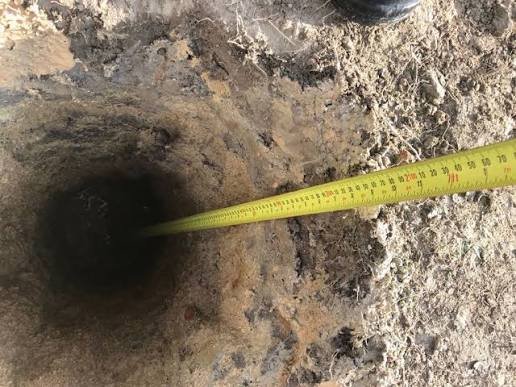
Hydro Excavation
Controlled hydro excavation for Spanish Springs utility crossings, tie-ins, test excavations, and work beside existing underground infrastructure.
- Pressurized-water excavation for utilities, tie-ins, test holes, trenches, and other precise digging
- High-capacity vacuum recovery of loosened soil and slurry for cleaner, more controlled work areas
- Reduced reliance on mechanical digging when exposing known underground utilities and sensitive infrastructure
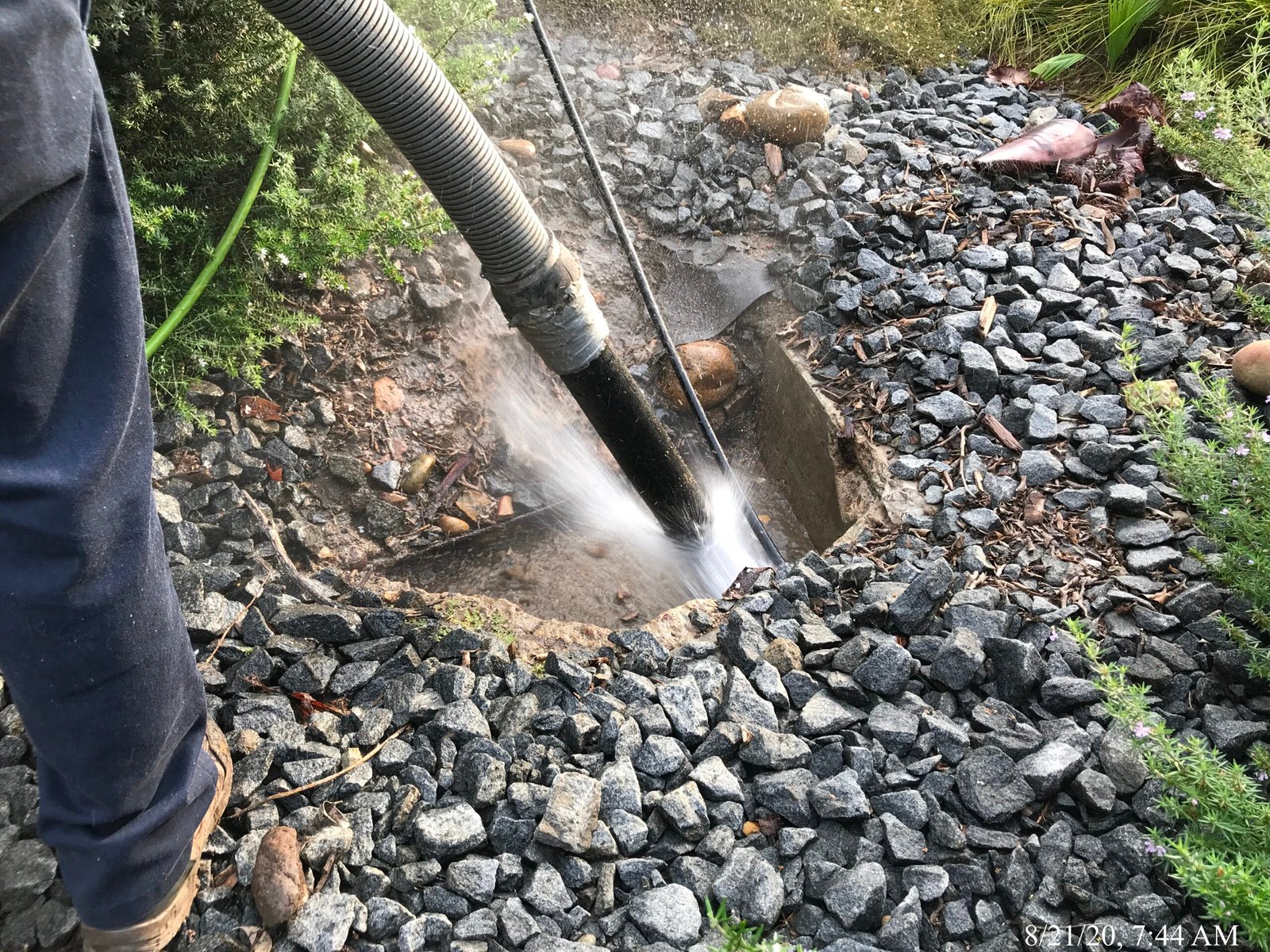
Potholing
Targeted utility potholing in Spanish Springs to verify marked facility depth and location before boring, trenching, grading, or mechanical excavation.
- Targeted test holes over marked utilities to verify horizontal location and actual depth before excavation
- Positive visual exposure for survey, boring, trenching, grading, and utility crossing planning
- Controlled daylighting that keeps openings limited to the size needed for verification and field measurements
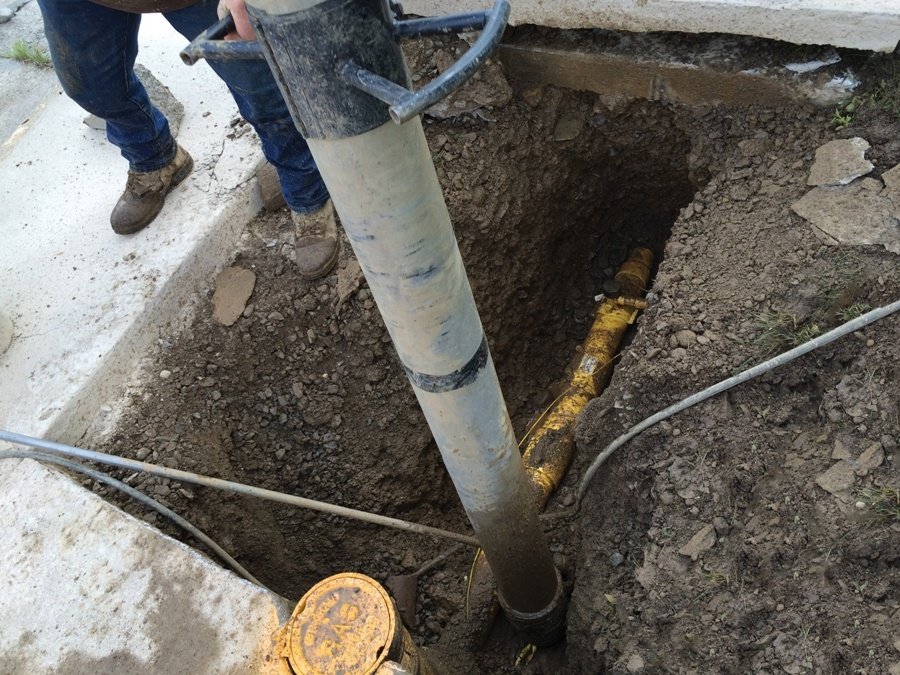
Vacuum Excavation
Vacuum excavation and material removal for Spanish Springs sites where hose access and a compact work footprint are more practical than broad excavation.
- High-capacity vacuum removal of soil, slurry, sediment, standing material, and loose construction debris
- Long-hose access for pits, vaults, sumps, utility-dense areas, and locations where equipment access is limited
- Controlled material recovery that supports hydro excavation, drainage cleaning, and construction cleanup
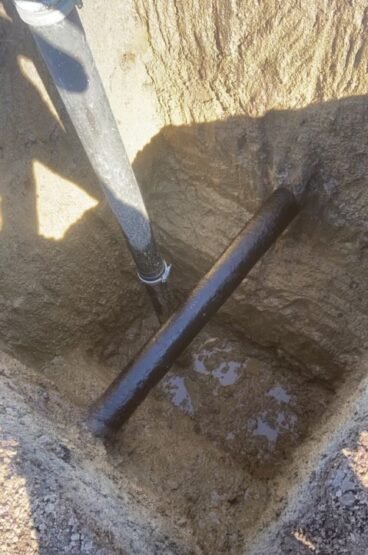
Utility Trenching
Precision hydrovac trenching for Spanish Springs utility installations, crossings, conduit, tie-ins, and narrow excavation where controlled digging around existing infrastructure matters.
- Narrow hydro-excavated trenches for utility installation, conduit, crossings, tie-ins, and repair access
- Controlled excavation around existing buried utilities where broad mechanical digging creates unnecessary exposure
- Vacuum recovery of excavated material to keep trench lines, work areas, and access points cleaner
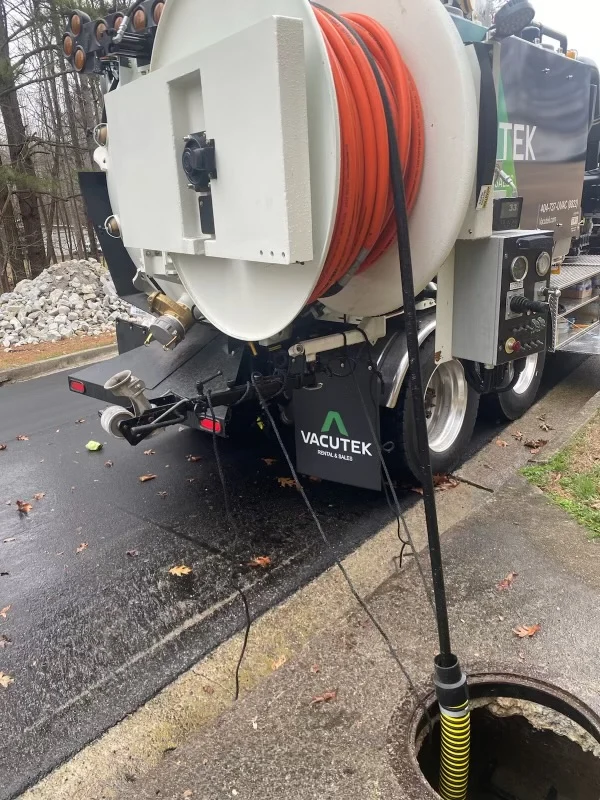
Sewer Line Cleaning
Sewer line cleaning for Spanish Springs commercial, construction, and infrastructure systems before inspection, repair, or as planned maintenance.
- High-pressure sewer line cleaning for commercial, construction, and infrastructure systems with accumulated buildup
- Jetting combined with vacuum recovery for sediment, grease, sludge, and loosened material at accessible structures
- Cleaning support before inspection, repair, turnover, or planned maintenance when line access allows
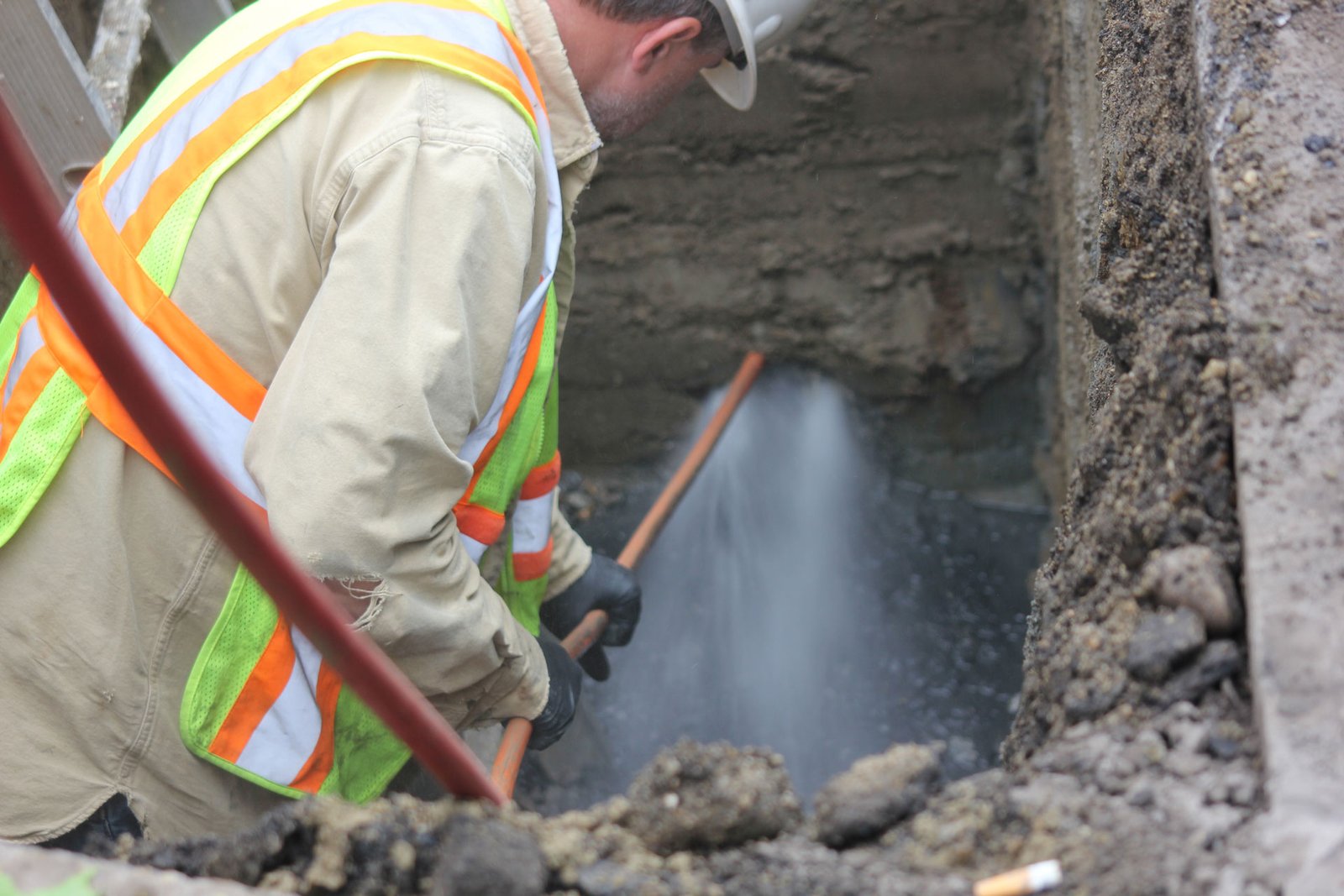
Storm Drain Cleaning
Storm drain and inlet cleaning in Spanish Springs to remove sediment and debris from private, commercial, construction, and infrastructure drainage systems.
- Vacuum removal of sediment, trash, and debris from storm drains, inlets, catch basins, and accessible structures
- High-pressure cleaning for connecting drainage lines where buildup is restricting flow or reducing capacity
- Commercial, industrial, construction, and infrastructure maintenance with recovery and disposal planned around site conditions